
How to Sell Pokémon Cards: Where to Sell and How to Get the Best Price
Where to sell Pokémon cards (online marketplaces, local game stores, card shows), how to price them, take good photos, ship safely and avoid scams.
Updated September 30, 2026
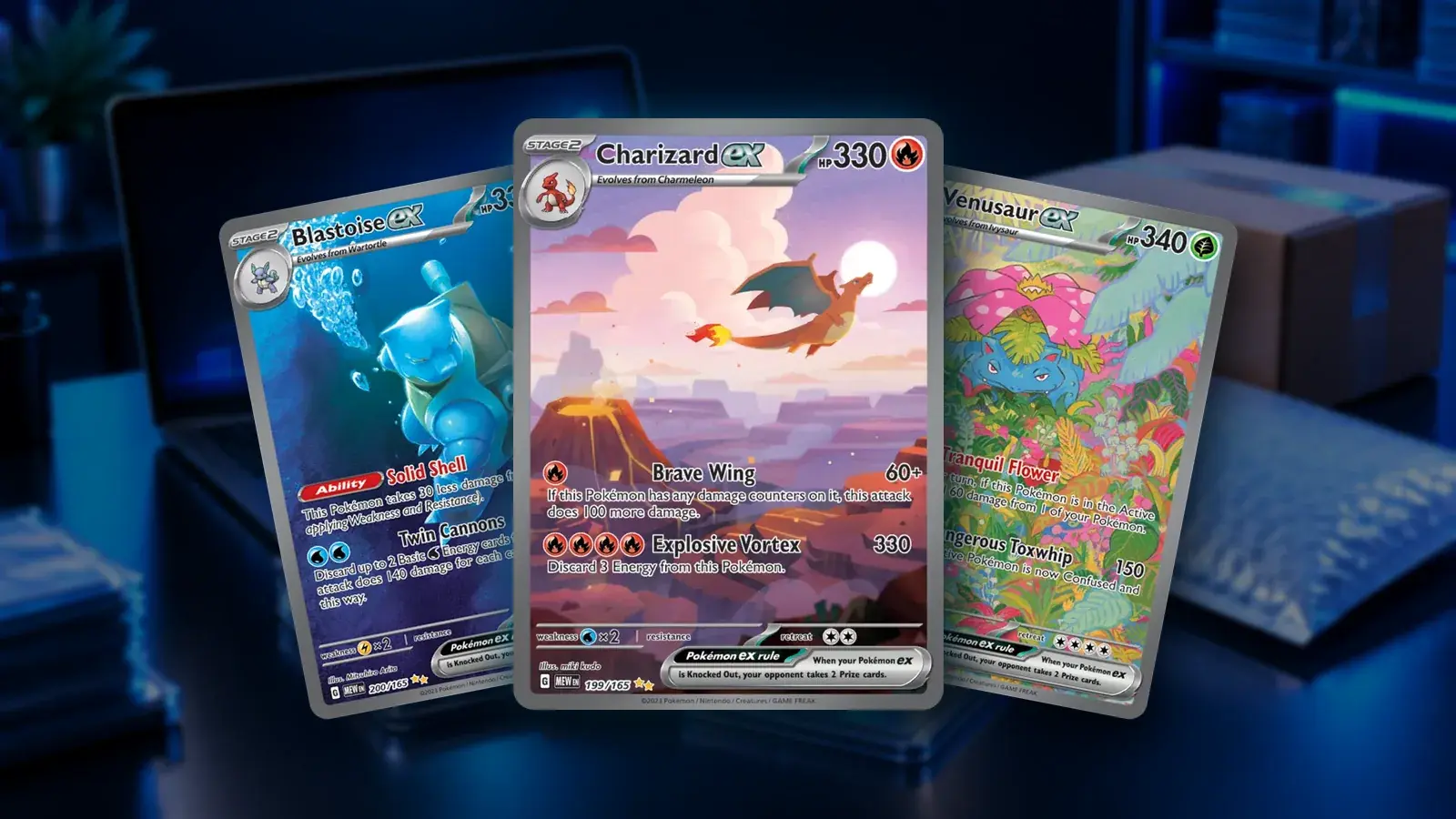
Selling Pokémon cards is easy once you know the value of what you have and pick the right place to sell. Here is a simple plan that works for a few cards or a whole collection.
Step 1: find out what your cards are worth
Start by identifying every card and checking its market price. Scan your cards to identify a whole pile at once, or search by name and number. Sort them into three groups: valuable cards, decent cards and bulk. Be honest about condition with our condition guide.
Step 2: choose where to sell
| Where | Best for | Good to know |
|---|---|---|
| TCGplayer | Single cards in the United States | Buyers search by exact card and condition. Seller fees apply. |
| eBay | Valuable, vintage and graded cards | Huge audience worldwide, auctions or fixed prices. Seller fees apply. |
| Cardmarket | Single cards in Europe | The biggest European card marketplace. |
| Local game stores | Fast, easy sales and bulk | Quick cash or store credit, usually below market price. |
| Card shows and local groups | Trading and selling in person | No shipping, and you can meet buyers face to face. |
Fees and rules change, so check the current seller fees of each platform before you list.
Step 3: price your cards right
- Look at recent sold prices, not asking prices. Our card pages show TCGplayer and Cardmarket market prices and a daily price history.
- Compare the exact version: set, number, finish (holo, reverse holo) and edition all change the price.
- Adjust for condition. Played cards sell below the Near Mint price.
- For very valuable cards, consider grading first. See the grading scale.
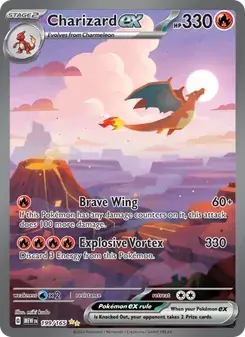
Charizard ex
199/165 · 151
$354.07

Blastoise ex
200/165 · 151
$131.39
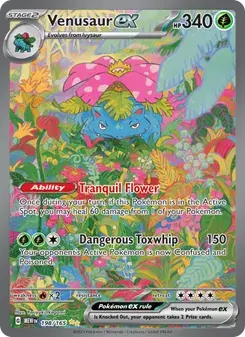
Venusaur ex
198/165 · 151
$98.59

Mew ex
205/165 · 151
$26.88
Live market prices, updated daily. Tap a card for all versions and its price history.
Step 4: take good photos and write honest listings
Photograph the front and back in bright, even light on a plain background, and add close ups of any wear. Mention the exact set and number in the title, describe the condition honestly, and point out any flaws. Honest listings lead to fewer returns and better reviews.
Step 5: ship safely
- Cheaper cards: penny sleeve, top loader and a sturdy envelope.
- Valuable cards: penny sleeve, top loader or semi rigid holder, sealed with tape, in a padded mailer or small box with tracking.
- Expensive cards: add insurance and signature confirmation.
Step 6: avoid scams
- Keep payments and communication on the platform, where buyers and sellers are protected.
- Be careful with buyers who ask you to ship before paying or to use unusual payment methods.
- For in person sales of valuable cards, meet in a public place.
What about bulk commons?
Common and uncommon cards are usually sold in bulk, by the hundred or thousand, to local stores or other collectors. Pull out the holos, rares and reverse holos first, since those are worth selling separately.
Before you sell, add your cards to your free collection to see the total value, and watch the most valuable cards to know what is in demand.